
Mental health has been under more pressure than ever.
Across the UK, people are dealing with rising stress levels, financial uncertainty, social isolation, burnout and constant digital overload. Anxiety and low mood are no longer niche issues. They have become part of everyday life for millions.
In the middle of all this, one thing continues to stand out as a powerful and accessible tool for improving mental wellbeing: fitness.
Not as a cure all, but as a lifeline.
Mental health has reached a tipping point. Recent years have fundamentally changed how people live and work, leaving many feeling overwhelmed and disconnected. Stress levels are higher, burnout is widespread across all age groups and loneliness is increasing despite people being more digitally connected than ever before. Sleep quality is declining, energy levels are low and many people feel a loss of control over their lives.
For a lot of individuals, traditional mental health support can feel difficult to access, expensive or intimidating. Waiting lists are long and support often comes too late. Fitness, however, offers something immediate. It is available daily and does not require labels, referrals or explanations.
Fitness is no longer just about physical health.
Movement has a direct and proven impact on mood, stress levels, confidence and mental clarity. Exercise helps regulate emotions, reduce anxiety and improve sleep, all of which are essential for mental resilience. Whether it is lifting weights, attending a group class, playing padel or training for an event like Hyrox, movement gives people structure, purpose and a sense of progress.
Sometimes the simple act of showing up is enough to shift how someone feels for the rest of the day.
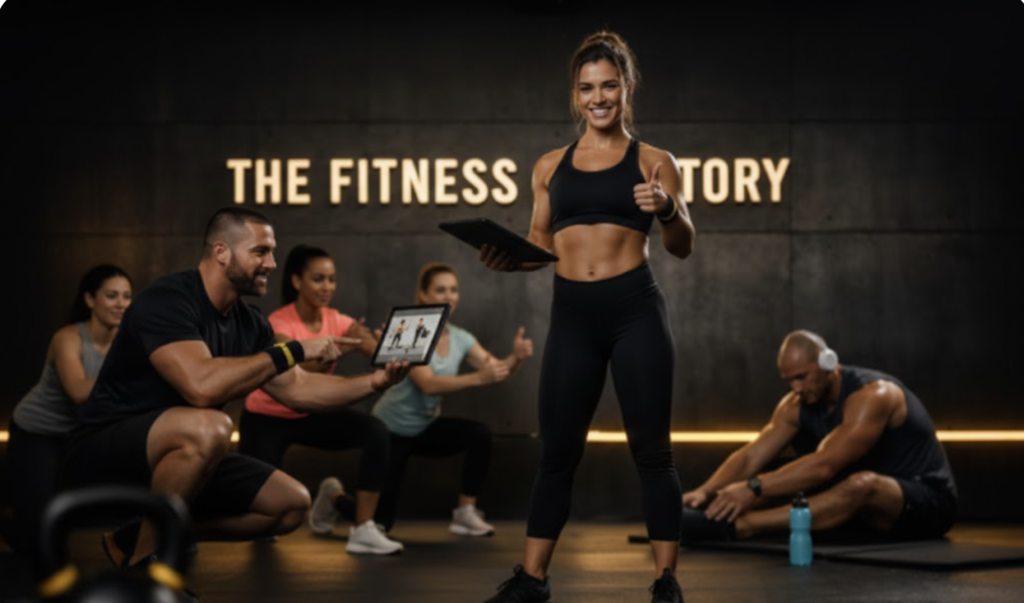
One of the most powerful and often overlooked benefits of fitness is community. Gyms, studios and sports clubs provide routine, human connection and a sense of belonging. For someone struggling mentally, booking a class can be the reason they leave the house. A familiar instructor can be the highlight of their week. A training partner can become a source of accountability and support.
In a world where loneliness is becoming a quiet epidemic, fitness spaces are often one of the few environments where people feel seen and supported without judgement.
The role of fitness professionals has also evolved. Instructors and trainers are no longer just coaching movement. They motivate, listen and create safe, welcoming environments. While they are not therapists, their consistency and encouragement can have a profound effect on someone’s wellbeing. Many professionals notice changes in mood or energy long before anyone else does, which makes stable staffing and strong recruitment more important than ever.
When staffing is inconsistent, communities break down. When it is reliable, people feel secure and supported.
For gyms and studios, prioritising mental health is not just the right thing to do. It is also vital for long term success. Members who feel emotionally connected to a fitness space are more likely to stay, engage and advocate for the business. Gyms that focus on consistency and community do more than improve physical health. They become places of emotional resilience.
Fitness is also increasingly recognised as preventative care. Regular movement helps reduce the likelihood of anxiety and depression, builds stress resilience and supports long term mental wellbeing. At a time when mental health services are under enormous strain, fitness plays a crucial role in helping people stay well before they reach crisis point.
At The Fitness Directory, we believe fitness is about people first. By helping gyms remain fully staffed with qualified and reliable professionals, we help protect routines, communities and the trust that members place in their fitness spaces. When classes run as scheduled and instructors feel supported, everyone benefits mentally as well as physically.
Mental health has been fragile recently, but fitness remains one of the strongest tools we have to support it.
Not because it is fashionable.
Not because it is easy.
But because it works.
Now more than ever, fitness is not a luxury. It is a necessity.